
Tongue Tie Treatment – Melbourne, FL
Improve Tongue Mobility with Tongue Tie Treatment for Children & Adults
The ability to use your tongue properly is essential when it comes to speaking, eating, and breathing. Any restriction of motion can create a lifetime of oral health difficulties for you or your child. Whether you're a parent concerned about your infant's feeding challenges or an adult experiencing speech difficulties, sleep issues, or other symptoms related to tongue restriction, treatment is available.
The good news is that treatment for tongue tie is more comfortable and convenient than ever with the help of the LightScalpel Laser. At Rowley Family Dentistry, we provide comprehensive tongue tie treatment for patients of all ages—from infants and children to teenagers and adults. If you or your child are suffering from a tongue tie that could be preventing proper tongue movement, call our office today to schedule a consultation for a laser frenectomy.
Why Choose Rowley Family Dentistry for Tongue Tie Treatment?
- We treat patients of all ages—infants, children, and adults
- Faster, more comfortable treatment with the LightScalpel Laser
- Dental insurance accepted
- Comprehensive evaluation and personalized treatment plans
How Do Tongue Ties Develop?
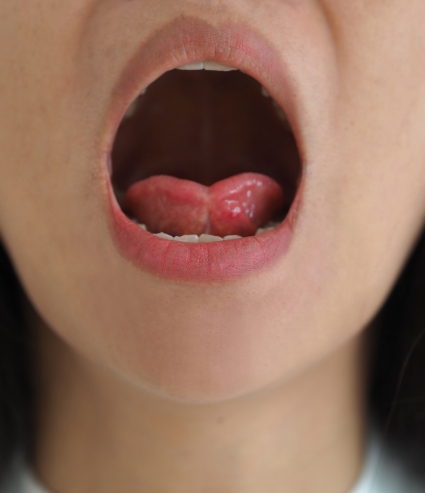
Tongue ties are the result of a thick, too short, or malformed lingual frenulum, which is the tissue that connects the tongue to the floor of the mouth. This condition, also known as ankyloglossia, is present from birth and can affect individuals throughout their lifetime if left untreated.
Signs of Tongue Tie in Infants & Young Children
Some signs that your baby may have a tongue tie include:
- Difficulty latching while nursing
- Falling asleep while trying to latch during breastfeeding
- Digestive problems such as colic or reflux
- Inability to hold a pacifier easily in their mouth
- Prolonged nursing sessions
Parents of infants may also notice:
- Pain while nursing
- Flattened and creased nipples
- Cuts or blisters on nipples
- Mastitis or clogged milk ducts
- Low milk supply

Signs of Tongue Tie in Adults
Many adults live with undiagnosed tongue ties that can cause ongoing challenges throughout life. Common symptoms of adult tongue tie include:
- Speech difficulties or impediments, particularly with certain sounds (L, R, T, D, N, TH, SH, Z)
- Difficulty eating certain foods or moving food around in the mouth
- Challenges with oral hygiene due to limited tongue mobility
- Jaw pain or TMJ disorders
- Sleep-disordered breathing, snoring, or sleep apnea
- Tension headaches or migraines
- Neck and shoulder tension or pain
- Difficulty kissing or intimate activities
- Gum recession or dental issues due to restricted tongue movement
- Social anxiety related to speech or eating difficulties
Why is it Important to Treat Tongue Ties?
Benefits of Tongue Tie Treatment for Children
If left untreated, tongue ties can lead to a variety of developmental issues for children, including:
- Speech delays or difficulties creating certain sounds with their mouths
- Digestive problems such as acid reflux
- Breathing difficulties and airway issues
- Forward head and neck posture
- Teeth grinding (bruxism)
- Orthodontic problems and narrow dental arches
These issues can also take their toll on your child's self-esteem, making it harder for them to interact confidently with peers and excel in school and in their personal lives.
Benefits of Tongue Tie Treatment for Adults
Adults who undergo tongue tie release often experience significant improvements in their quality of life. Treatment can help with:
- Improved speech clarity and articulation
- Better sleep quality and reduced snoring
- Relief from chronic jaw pain, headaches, and neck tension
- Enhanced ability to eat a wider variety of foods
- Improved oral hygiene and dental health
- Better posture and reduced compensatory muscle strain
- Increased confidence in social and professional situations
- Relief from TMJ symptoms
Important Note:
While tongue tie release can provide immediate physical relief, adults may benefit from additional therapies such as myofunctional therapy, speech therapy, or physical therapy to retrain muscles and achieve optimal results. We can provide referrals to qualified specialists as part of your comprehensive treatment plan.
Treating Tongue Ties with a LightScalpel Laser

At Rowley Family Dentistry, we are proud to use the LightScalpel Laser to perform lingual frenectomies for patients of all ages. In the past, frenectomy procedures were often performed with a scalpel and sutures, but today's laser technology offers significant advantages.
The LightScalpel Laser is a soft tissue laser that is faster and much more comfortable than traditional frenectomies. Because it uses a laser to cut and cauterize the tissue, it produces less bleeding, swelling, and discomfort, all the while lowering your risk of infection and resulting in a much smoother recovery.
Benefits of Laser Frenectomy Include:
- Minimal discomfort during and after the procedure
- No need for sutures in most cases
- Reduced bleeding and swelling
- Lower risk of infection
- Quick procedure time (typically 10-15 minutes)
- Faster healing and recovery
- Can be performed on infants, children, and adults safely
- Immediate improvement in tongue mobility
What to Expect During Treatment
Your tongue tie treatment at Rowley Family Dentistry will begin with a comprehensive evaluation to assess the severity of the restriction and how it's impacting your or your child's daily life. During the laser frenectomy procedure, local anesthesia is used to ensure comfort. The laser precisely releases the restrictive tissue in just minutes. Most patients experience only minimal discomfort and can return to normal activities quickly, though some stretching exercises may be recommended to prevent reattachment and optimize results.
Ready to Get Started?
If you or your child are experiencing symptoms of tongue tie, don't wait to seek treatment. Early intervention can prevent years of speech, feeding, sleep, and developmental challenges. At Rowley Family Dentistry, we're here to help patients of all ages achieve better tongue mobility and improved quality of life.
Contact our Melbourne, FL office today to schedule your consultation for tongue tie evaluation and treatment.