
If you’re missing one or more teeth, dental implants are often considered one of the most reliable and natural-looking replacement options available. One of the most common questions patients ask is: how many dental implants do I actually need?
The answer depends entirely on your unique situation. Some people only need a single implant to replace one missing tooth, while others may need multiple implants—or even a full-arch solution—to restore their smile, bite function, and confidence.
Replacing a Single Tooth
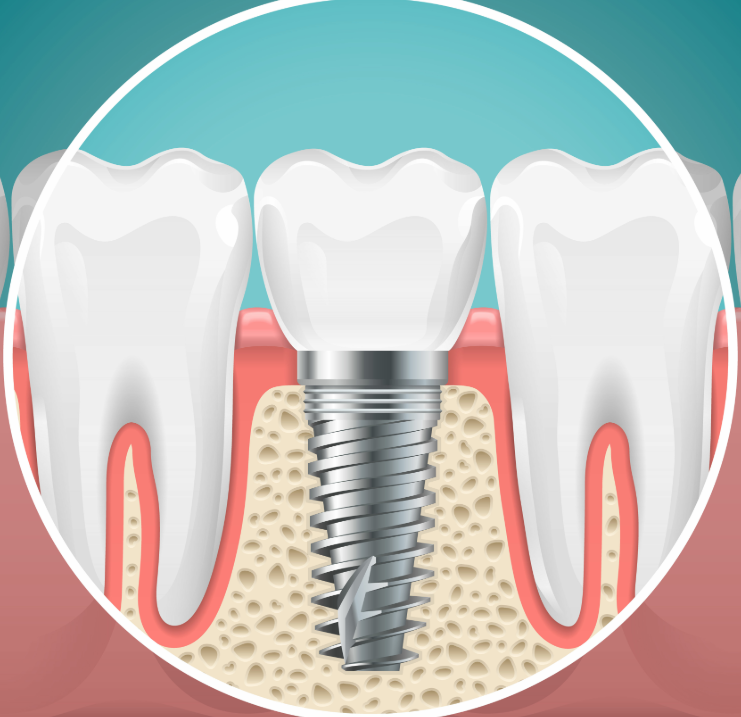
If you’re missing just one tooth, a single dental implant is typically recommended.
In this case, a titanium post is placed into the jawbone to act as an artificial tooth root. Once it heals and integrates with the bone, a custom crown is attached on top to restore both function and appearance.
A single implant is designed to blend in seamlessly with surrounding teeth, making it one of the most effective ways to replace a missing tooth without affecting neighboring teeth.
Replacing Several Missing Teeth
When multiple teeth are missing in different areas of the mouth, more than one implant may be needed. However, that doesn’t always mean one implant per tooth.
In many cases, implants can be strategically placed to support a dental bridge, reducing the total number of implants required. This approach restores multiple teeth while minimizing surgery and preserving bone structure.
Your dentist will evaluate spacing, bone health, and bite alignment to determine the most efficient plan.
Implant-Supported Bridges
An implant-supported bridge is often used when several adjacent teeth are missing.
Instead of placing an implant for each missing tooth, two or more implants can support a bridge that spans the gap. This creates a stable, long-lasting solution that feels more secure than a traditional removable bridge.
This option is commonly recommended when patients are missing a section of teeth but still have healthy surrounding structures.
Full Arch Replacement: Implant Dentures
For patients missing most or all of their teeth in the upper or lower arch, implant-supported dentures may be the best solution.
Depending on the system used, as few as four to six implants can support a full arch of prosthetic teeth. This is often referred to as an “All-on-4” or full-arch implant solution.
Compared to traditional dentures, implant-supported options offer improved stability, better chewing ability, and a more natural feel.
Why the Number of Implants Varies
There is no universal number of implants required for every patient because several factors influence treatment planning, including:
- The number of missing teeth
- Bone density and jaw health
- Location of tooth loss
- Bite force and chewing patterns
- Aesthetic goals
Some patients may need just one implant, while others may require several strategically placed implants to support bridges or full-arch restorations.
The Importance of a Personalized Treatment Plan
Because every smile is different, a consultation with a dentist is essential before deciding on implant treatment. Imaging, bite analysis, and bone evaluation help determine the most effective and long-lasting solution.
In many cases, patients are surprised to learn they may need fewer implants than expected thanks to modern restorative techniques.
The goal is always to restore function, protect oral health, and create a natural-looking smile that lasts for years to come.
About the Practice
At Rowley Family Dentistry, patients receive comprehensive restorative dental care focused on long-term oral health and function. The practice offers customized dental implant solutions, including single implants, implant-supported bridges, and full-arch restorations designed to replace missing teeth with stable, natural-looking results. With advanced technology and a patient-centered approach, Dr. Nicholas Rowley works closely with individuals to develop treatment plans tailored to their unique needs and goals.
Call us at (321) 723-1772 or schedule your appointment online.