
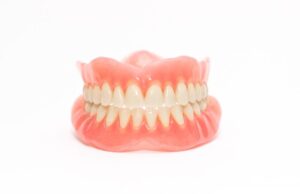
Dentures are designed to restore your smile and help you eat and speak comfortably. However, if they start to develop an unpleasant odor, it can be both embarrassing and concerning. The good news is that denture odor is usually preventable—and treatable—once you understand the cause.
Bacteria and Plaque Buildup
The most common reason dentures smell bad is the buildup of bacteria and plaque. Just like natural teeth, dentures can collect food particles and bacteria throughout the day. If they’re not cleaned thoroughly, this buildup can lead to odor.
Over time, bacteria can also form a biofilm on the surface of your dentures, making them harder to clean with simple rinsing alone.
Poor Cleaning Habits
Inconsistent or improper cleaning is a major contributor to denture odor. Simply rinsing your dentures with water isn’t enough to remove bacteria and debris. Without daily brushing and soaking, odor-causing particles can linger and multiply.
Using the wrong products—such as regular toothpaste, which can be abrasive—can also damage the denture surface, creating tiny scratches where bacteria can hide.
Dry Mouth and Overnight Wear
Saliva helps naturally cleanse your mouth by washing away bacteria. If you experience dry mouth, bacteria can build up more easily, leading to bad odors.
Wearing your dentures overnight can also contribute to the problem. Giving your gums and dentures a break while you sleep allows for better airflow and reduces bacterial growth.
Fungal Infections
In some cases, denture odor may be linked to a fungal infection like oral thrush. This condition occurs when yeast builds up in the mouth, often due to poor denture hygiene or continuous wear.
Symptoms may include redness, soreness, or a white coating in the mouth. If you suspect an infection, it’s important to seek professional care.
What You Can Do About It
Preventing and eliminating denture odor starts with proper care:
- Clean daily: Brush your dentures with a soft brush and a denture-specific cleaner.
- Soak overnight: Use a denture-cleaning solution to disinfect and remove buildup.
- Rinse after meals: This helps remove food particles before they cause odor.
- Remove dentures at night: Allow your mouth and dentures to rest and stay dry.
- Maintain oral hygiene: Clean your gums, tongue, and any remaining teeth daily.
Regular dental checkups are also important. Your dentist can professionally clean your dentures, check for fit issues, and identify any underlying problems.
Bad-smelling dentures are usually a sign of bacteria buildup or improper care, but they’re also highly manageable. With consistent cleaning habits and regular dental visits, you can keep your dentures fresh and comfortable. If odor persists despite good hygiene, don’t ignore it. A quick visit to your dentist can help pinpoint the cause and restore your confidence.
About the Author
Dr. Nicholas Rowley has been treating local families for more than 10 years. He earned his dental degree from Nova Southeastern University in 2010 and over the years has taken hundreds of hours of continuing education to keep his skills and knowledge up to date. Today, Dr. Rowley is a member of such organizations as the American Dental Association, the Florida Dental Association, and the Brevard County Dental Society. If you’re interested in restoring your smile with dentures, we’d love to help! Book online or call our Melbourne office at (321) 723-1772.